The numbers came in fast at the close of play. India 206 for 4 in twenty overs, the highest total the squad had posted across the seven matches and twenty-five runs clear of the previous best. England 88 all out in 16.2 overs, with no batter past thirty and seven of the ten wickets shared between Wani and Parmar. The 118-run margin is the largest gap, in either direction, in the series. The seven-match tour ledger still reads England 4, India 3: Trent Bridge, Edgbaston and the Oval to the home side; Southampton, Bristol and now Lord's to the visitors. England's series win was sealed on 16 August with a four-wicket finish at the Oval. Lord's was the dead rubber, played at full intensity.
Wani and Parmar split England's middle order
India's bowling had been the most-searched question of the tour. The opening combination of Wani and a left-arm seamer had carried the powerplay workload through the first six matches, with the rest of the attack rotating around the middle overs. Lord's was the first time the back end of the innings produced three top-order England batters dismissed for single-digit scores in the same spell.
Wani took the new ball and struck in the third over. England were 38 for 3 by the end of the powerplay and the asking rate was already past eleven. Parmar's three wickets came in fourteen balls across overs nine, twelve and fourteen, each dismissal breaking a partnership before it could reach a fifty stand. The two shared seven of the ten wickets. Wani finished with 4 for 21 from his four overs, and Parmar with 3 for 14. The death-overs plan sat with the part-time options India had been holding back through the tour; they were not needed.
Gawre and Magray set up the 206
The batting order had been the second-most-searched talking point of the tour. Magray, the captain, had held his top scorer back to number five through the first six matches, balancing top-order accumulation against the late-innings finish. Lord's was the first time the full template clicked.
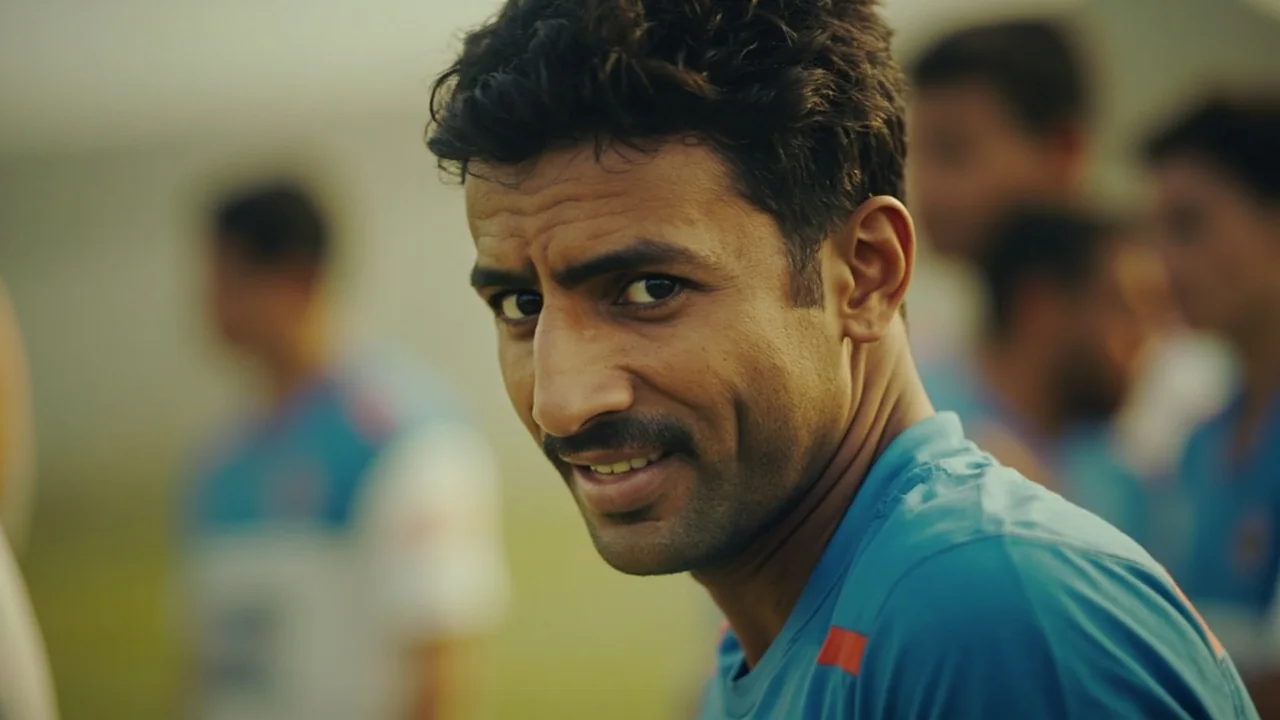
Gawre opened and made 68 off 44 balls at a strike rate of 154.54. Magray closed with an unbeaten 63 off 19 at 331.58, with seven fours and three sixes. The last five overs went for 96 runs. The 206 was the cleanest execution of the batting template India had run on the tour, and the first time the same top-order-plus-finisher combination carried the innings from the powerplay to the last over without a middle-order stutter.
The balcony salute, twenty-four years on
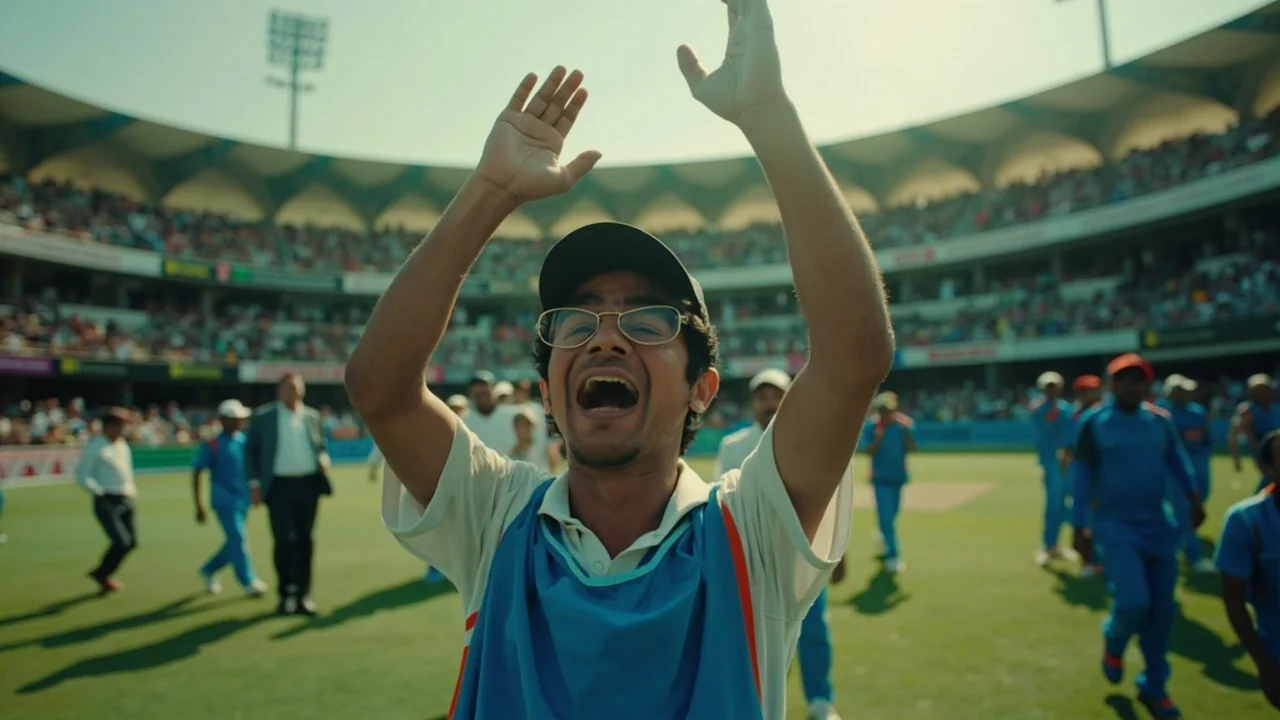
The winning wicket fell at 19:31 BST. The first thing the broadcast cut to was not the bowler. It was the Lord's pavilion balcony, where the Indian players and support staff had gathered in the warm late-afternoon light. The video the Differently Abled Cricket Council of India posted on its official X account within the hour opens with the balcony group, blazers off, and closes with a playing shirt held high above the rail. The Indian flag was visible in the same frame. The line DCCI wrote under the clip, "When India wins at Lord's, the celebrations hit different," was still the most-circulated post on the matter by the morning of 20 August 2026.
The reference is unmistakable to anyone who follows the venue. On 13 July 2002, Ganguly took off his India shirt and waved it from the same balcony after India chased 326 to beat England in the NatWest Trophy final. The 2002 moment is widely read as a reply to Andrew Flintoff, who had waved his England shirt over his head at the Wankhede Stadium in Mumbai earlier that year. Twenty-four years later, the gesture carries the same weight. The Indian camp has not disputed the read.
What the seven-match tour said about the format
The mixed-disability format pairs players across physical, hearing and visual impairment categories in the same eleven. India had used the first six matches of the tour to settle the category combinations that worked for the bowling group and to identify which batting order best balanced the top-order accumulation against the late-innings finish. Lord's was the first time the full template clicked.
The series result still belongs to England. The 4-3 margin reflects a tour that flipped between the two sides, with England taking Trent Bridge, Edgbaston and the Oval to win the series, and India taking the opening match at Southampton, the rain-affected game at Bristol and the Lord's finale. The seven-match ledger is the only tour figure either the England and Wales Cricket Board disability programme or DCCI has published on the public record as of 20 August 2026.
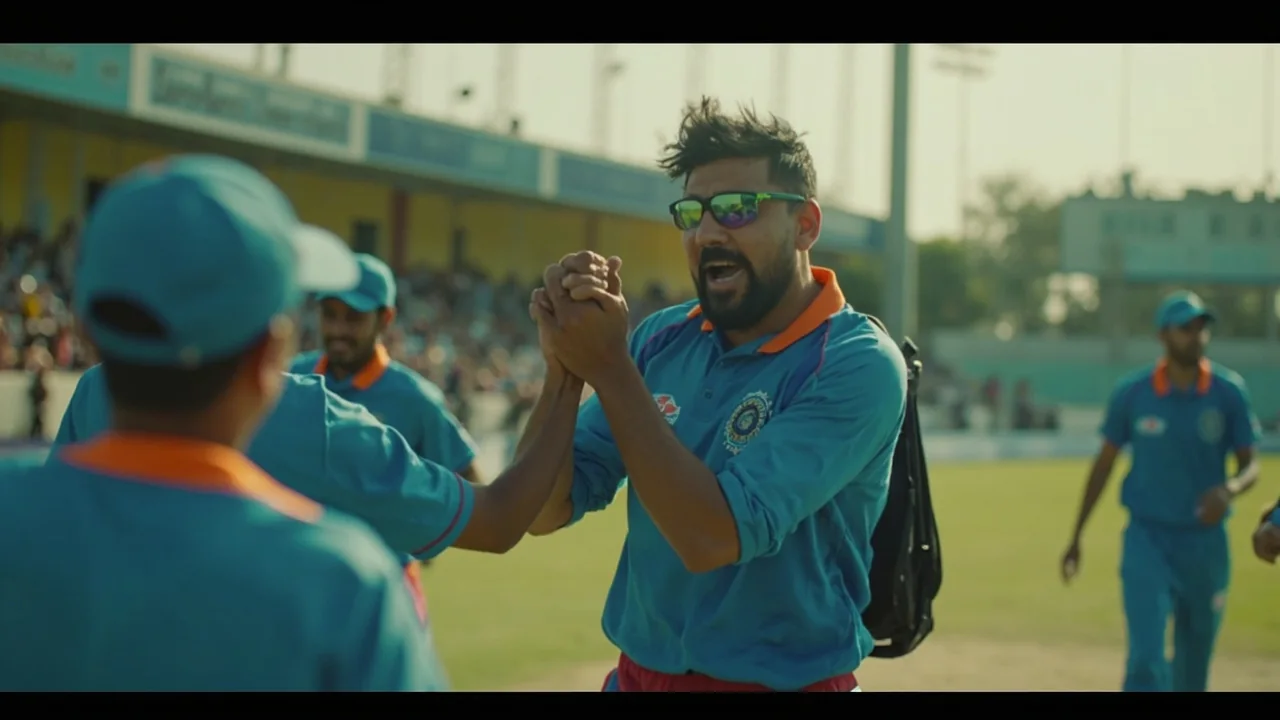
Why DCCI chose the balcony clip as the tour closer
The DCCI's choice of the balcony clip as the closing image of its tour thread was not an accident. The post landed within the hour, before the formal post-match presentation had finished, and was pinned to the top of the council's profile within two hours. By the morning of 20 August 2026, the line "When India wins at Lord's, the celebrations hit different" had been quoted by every major Indian sports outlet that covered the mixed-disability beat.
The council's framing treats the seventh T20I as the only match of the tour where the result and the celebration could land together without detracting from the series outcome. The Trent Bridge and Edgbaston wins were characterised as bowling-led performances, the Oval win as a top-order batting recovery, and the rain-affected Bristol match as a washout. Lord's offered the first moment of the tour where the team, the venue and the result came together for a single image. DCCI chose to lead with that image rather than with a scorecard graphic.
What changes for the next window
The Lord's T20I was the last match of the published tour itinerary. As of 20 August 2026, neither board has named a follow-up international window for the mixed-disability format. DCCI's X account closed its tour thread with the balcony clip and a short note thanking the Lord's groundstaff. The England and Wales Cricket Board disability programme has indicated that its next home international window opens later in the season, with fixtures to be confirmed.
The team-level read from the seventh T20I is that India's middle order finally produced the kind of finishing cameo the management had been chasing since the second match of the tour, and that the bowling unit has a settled pairing for the powerplay and middle overs. The open question is whether the same combination holds when the format next extends beyond seven matches. The DCCI balcony clip will outlast that question, either way.
For readers tracking the wider international calendar, the tournament listings at zinoapp.com/tournaments/ carry the running series-by-series ledger and the broadcast schedule for the next windows as they are announced.